Source Casting Fly Wheel for Excavator, Bulldozer, Crusher
Find a casting fly wheel for excavator and related heavy machinery parts from 30 verified listings. Compare specifications such as weight, runner diameter, and material types like cast iron and aluminum to identify suitable components for your equipment needs; compare the available evidence and request quotations based on your requirements.
Key considerations
Products List




Comprehensive Sourcing Guide
Casting Fly Wheel for Excavator Sourcing Guide
Procuring a casting fly wheel for excavator applications requires a disciplined approach to technical verification and supplier qualification. The core component serves as a critical rotational mass, stabilizing engine speed and smoothing power delivery during heavy-duty operations. Buyers must distinguish between generic aftermarket parts and OEM-specification replacements to ensure compatibility with specific machine models. This guide outlines the essential steps for evaluating product scope, verifying technical specifications, and managing commercial risks in the global supply chain.
Successful sourcing begins with understanding the observed market signals and product diversity available to international buyers. The current landscape includes a wide range of models, from compact units weighing 0.55kg to heavy-duty assemblies exceeding 1.6kg. These variations reflect differences in excavator tonnage, engine configurations, and manufacturing processes. By analyzing these signals, procurement teams can better align their requirements with supplier capabilities, ensuring that the selected fly wheel meets the precise operational demands of their fleet without over-specifying or under-engineering the component.
Product Scope and Observed Listing Signals
The market for excavator fly wheels exhibits significant diversity in model designations and physical attributes. Listings frequently reference specific model codes such as EX Universal, E/HD, and various DH series identifiers, indicating compatibility with distinct machine architectures. Weight specifications vary widely, ranging from lightweight 0.55kg units to robust 1.6kg assemblies, suggesting that buyers must carefully match the component mass to their engine’s rotational inertia requirements. This variation underscores the importance of verifying the exact machine model before placing orders to avoid functional mismatches.
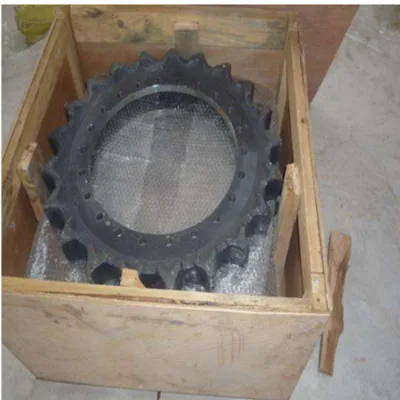
Color and customization options are frequently highlighted as available features, allowing for brand alignment or corrosion resistance enhancements. Packaging methods also differ, with options including wooden boxes, cartons, and plywood cases, which impact logistics costs and product protection during transit. Some suppliers offer customized colors and OEM services, providing flexibility for fleet standardization. However, buyers should treat these attributes as observations rather than universal guarantees, verifying each claim individually to ensure that the final delivered product matches the agreed-upon specifications and quality standards.
Technical Specifications to Verify
Technical verification must focus on material composition, manufacturing process, and dimensional accuracy. Cast iron and aluminum are common materials, each offering distinct advantages in terms of weight, durability, and thermal conductivity. The manufacturing process, often sand casting, significantly influences the internal grain structure and mechanical strength of the fly wheel. Buyers should request detailed material certificates and process documentation to confirm that the casting method aligns with industry best practices for high-stress rotational components. Surface treatments, such as sand blasting, may be applied to improve finish or prepare for further coating.
Dimensional specifications are critical for ensuring proper fitment and balance. Key measurements include runner diameter and width, which must match the engine’s crankshaft and mounting requirements. For instance, specific models may require a runner diameter of 600mm and a width of 350mm, while others may differ significantly. Weight is another crucial parameter, with some units weighing around 480kg or 550kg, depending on the excavator tonnage. Buyers must cross-reference these dimensions with their machine’s technical manual to prevent installation issues and ensure optimal performance.
Compliance and Safety Documentation
Compliance with international standards is essential for ensuring the safety and reliability of excavator fly wheels. Certifications such as ISO 9001 indicate that the supplier adheres to recognized quality management systems, providing a baseline for consistent manufacturing practices. While specific standards like GB or ASTM A48 may be referenced, buyers should verify the current validity and applicability of these certifications to their region and machine type. Documentation should clearly state the condition of the product, typically new, and confirm that all safety protocols have been followed during production.
Safety documentation also includes information on surface treatments and material properties that affect long-term durability. For example, untreated cast iron surfaces may be prone to corrosion if not properly stored or maintained. Buyers should request test reports or quality control records that demonstrate the component’s ability to withstand operational stresses. Although specific test results may not always be publicly listed, suppliers should be willing to provide evidence of compliance with relevant safety and performance standards upon request.
Cost Drivers and Commercial Terms
Cost drivers for casting fly wheels include material prices, manufacturing complexity, and packaging requirements. Heavier units with higher tonnage specifications typically incur higher material and shipping costs. Customization options, such as specific colors or OEM branding, may also add to the final price. Buyers should analyze the total cost of ownership, including logistics, duties, and potential maintenance expenses, rather than focusing solely on the unit price. Understanding these drivers helps in negotiating favorable terms and selecting suppliers that offer the best value for money.
Commercial terms such as MOQ, lead time, and payment conditions vary among suppliers. Observed MOQ ranges can be as low as one unit, facilitating small-scale procurement, while lead times may extend up to 35 days for custom orders. Buyers should clarify these terms early in the sourcing process to avoid delays and ensure supply chain continuity. Payment terms should be structured to protect both parties, with clear milestones for production and delivery. Transparent communication regarding these terms helps in building a reliable and efficient procurement process.
Supplier Qualification and Quality Control
Supplier qualification involves assessing the manufacturer’s production capabilities, quality control systems, and track record. Suppliers with ISO 9001 certification demonstrate a commitment to quality management, but buyers should also evaluate their specific processes for casting, machining, and inspection. Requesting samples or conducting factory audits can provide valuable insights into the supplier’s operational standards. Additionally, verifying the supplier’s experience with excavator components ensures that they understand the unique requirements of this market segment.
Quality control measures should be clearly defined and agreed upon before production begins. This includes specifications for material composition, dimensional tolerances, and surface finish. Buyers should establish clear acceptance criteria and inspection protocols to ensure that the delivered fly wheels meet the required standards. Regular communication with the supplier during the production process can help identify and address potential issues early. By prioritizing supplier qualification and rigorous quality control, buyers can minimize the risk of receiving defective or non-compliant products.
Long-Term Procurement Checks
Long-term procurement success depends on continuous monitoring of supplier performance and product quality. Establishing key performance indicators (KPIs) for delivery times, defect rates, and customer service helps in evaluating supplier reliability over time. Regular reviews of these metrics allow buyers to identify trends and address issues proactively. Additionally, maintaining open lines of communication with suppliers fosters a collaborative relationship that can lead to improvements in product design and manufacturing processes.
Supply chain resilience is another critical aspect of long-term procurement. Buyers should diversify their supplier base to mitigate risks associated with single-source dependencies. Regularly updating technical specifications and market intelligence ensures that procurement strategies remain aligned with industry developments. By implementing robust long-term procurement checks, buyers can ensure a steady supply of high-quality casting fly wheels, supporting the efficient operation of their excavator fleets.
FAQs
What certifications do the excavator compaction wheels have?
The products hold ISO9001 and CE certifications for quality assurance. These certifications apply to new condition items like the Hawk02 and Hawk04 models. Buyers can verify these standards when sourcing from Chinese manufacturers offering customized options for excavators.
Which excavator tonnage ranges are compatible with these wheels?
These wheels fit excavators ranging from 6 to 8 tons and 12 to 18 tons. Specific models like Hawk02 suit the smaller range while Hawk04 suits the larger range. Buyers should match the runner diameter and width to their specific machine requirements.
How is the product packed for international shipping?
Packaging options include wooden boxes, cartons, and plywood boxes depending on the model. Standard exporting packing is also available for bulk orders. This ensures safe transport of heavy components like the 480kg or 550kg flywheels during global logistics.
Can I request customization for the flywheel specifications?
Yes, customization is available for color and specific product attributes. Buyers can request tailored solutions for different excavator applications. This flexibility allows vendors to meet unique operational needs while maintaining high quality standards for the final product.
What is the typical lead time for manufacturing these parts?
The standard lead time is 35 days for production and delivery. This duration applies to new condition items manufactured using sand casting processes. Buyers should plan their procurement schedule accordingly to ensure timely arrival of components like the stone crusher fly wheels.
Which materials are used to manufacture these flywheels?
Materials include cast iron and aluminum depending on the specific model requirements. The manufacturing process involves casting techniques to ensure durability. These materials are selected to meet the high-quality standards expected for heavy machinery components used in various industrial applications.